
Coverage Limitations, Hospital Issues & How We Help Even when everything seems right, health insurance claim rejections can still happen due to coverage limitations, hospital-related issues, or technical mismatches in documents. Many policyholders are unaware of these health insurance claim rejection reasons, which leads to confusion and stress during medical emergencies. This is Part 3 of our health insurance claim rejection series. To understand the full picture, we recommend reading Part 1 and Part 2, where we’ve covered policy terms, documentation errors, and hospital-related claim issues in detail. 7. Treatment or Expenses Not Covered by the Policy Health insurance policies clearly mention exclusions and limits, such as: Consumables like gloves, syringes, masks Room rent limits Non-medical expenses OPD expenses Cosmetic or experimental procedures If expenses go beyond policy limits or fall under exclusions, insurers may reduce or reject the claim amount. 8. Treatment Taken at a Non-Network Hospital Cashless claims are available only at network hospitals. If treatment is taken at a non-network hospital: The insurer may only allow reimbursement Certain expenses may be reduced or disallowed This often comes as a surprise to policyholders during emergencies. 9. Mismatch in Medical Records If there are inconsistencies between: Doctor’s diagnosis Hospital records Discharge summary Claim documents the insurer may question the authenticity of the claim and may reject it. Final Thoughts Most health insurance claim rejections happen because: Policy terms are misunderstood Claim procedures are not followed properly Documents are incomplete or incorrect With the right guidance, many rejected or delayed claims can be reviewed, corrected, and even appealed successfully. Knowing your policy well can make a big difference between rejection and approval. How Eternity Claim Solutions Supports You Dealing with a rejected or delayed health insurance claim during a medical emergency can be overwhelming. At Eternity Claim Solutions, we understand how stressful this process can be for you and your family. We assist policyholders at every stage of the claim process. Our team carefully reviews policy terms, hospital records, and insurer communications to identify the root cause of delays or rejections. We help you with: Understanding what your policy covers and excludes Responding to insurer queries Challenging unfair deductions or rejections Preparing proper documentation and explanations Escalating matters when required We believe in honest, ethical, and transparent support. Instead of false promises, we provide practical guidance based on real experience. Our aim is simple—to help policyholders receive fair claim settlements and reduce the stress involved in the process. Continue reading in Part 1, Why Health Insurance Claims Get Rejected in India And Part 2, Claim Process Mistakes That Lead to Rejection
Claim Process Mistakes That Lead to Rejection
Claim Process Mistakes That Lead to Rejection Many policyholders face claim rejection due to health insurance claim process mistakes, even when the treatment itself is valid and covered under the policy. Missed the beginning?Read Part 1: Why Health Insurance Claims Get Rejected in India before continuing. 4. Delay in Informing the Insurance Company Insurance companies require timely intimation: For planned hospitalisation, pre-authorization is mandatory. For emergency admissions, insurers usually need to be informed within 24 to 48 hours. Late intimation or no intimation can result in claim rejection or delays. 5. Missing or Incorrect Documents Incomplete or incorrect paperwork is one of the biggest reasons claims get stuck or denied. Commonly required documents include: Discharge summary Detailed hospital bills Doctor’s prescriptions Diagnostic reports Policy copy and ID proof If documents are missing, unclear, or inconsistent, insurers may reject or delay the claim. 6. No Pre-Approval for Planned Hospitalisation For planned treatments, advance approval from the insurer is required for cashless claims. If hospitalisation is done without pre-authorization, the insurer may deny cashless treatment and may also reject reimbursement, depending on policy terms. Continue reading in Part 1, Why Health Insurance Claims Get Rejected in India And Part 3, Coverage Limitations, Hospital Issues & How We Help

Why Health Insurance Claims Get Rejected in India
Why Health Insurance Claims Get Rejected in India Why Health Insurance Claims Get Rejected in India Many people believe that once they have health insurance, their hospital bills will automatically be taken care of. In reality, this is not always the case. very year, a large number of health insurance claim rejection and partial settlements happen in India, often due to policy conditions and claim-related mistakes. Most of these rejections do not happen due to fraud or wrongdoing. They usually occur because policyholders are unaware of policy conditions, waiting periods, or claim procedures. Health insurance policies in India work under strict rules, and even a small mistake can lead to a claim being denied. Below are some of the most common reasons claims get rejected, explained in a simple and relatable way. 1. Waiting Period Is Not Completed Almost all health insurance policies come with waiting periods: A 30-day waiting period applies to most illnesses (accidents are excluded). Pre-existing diseases usually have a waiting period of 2 to 4 years. Certain treatments like cataract surgery, hernia, joint replacement, or piles have specific waiting periods. If a claim is filed before the waiting period ends, the insurer has the right to reject it, even if the policy is active. 2. Pre-Existing Conditions Were Not Disclosed When buying a policy, it is mandatory to disclose existing health conditions such as diabetes, blood pressure, heart disease, thyroid issues, or past surgeries. Some people hide medical history to reduce premiums. However, insurers check medical records at the time of claim. If they find that a pre-existing condition was not declared, the claim can be rejected completely. 3. Policy Lapse Due to Missed Renewal Health insurance works only when the policy is active. If premiums are not paid on time and the grace period ends, the policy lapses. Any hospitalisation during this lapsed period is not covered, even if the policy is renewed later. This is a very common but avoidable reason for claim rejection. We hope you found this blog on health insurance claim rejection helpful. This is part of a series, so do read our other related articles to better understand insurance claims and avoid common mistakes. Continue reading in Part 2, where we discuss Claim Process Mistakes That Lead to Rejection And Part 3, Coverage Limitations, Hospital Issues & How We Help
KYC frauds- dos & don’ts
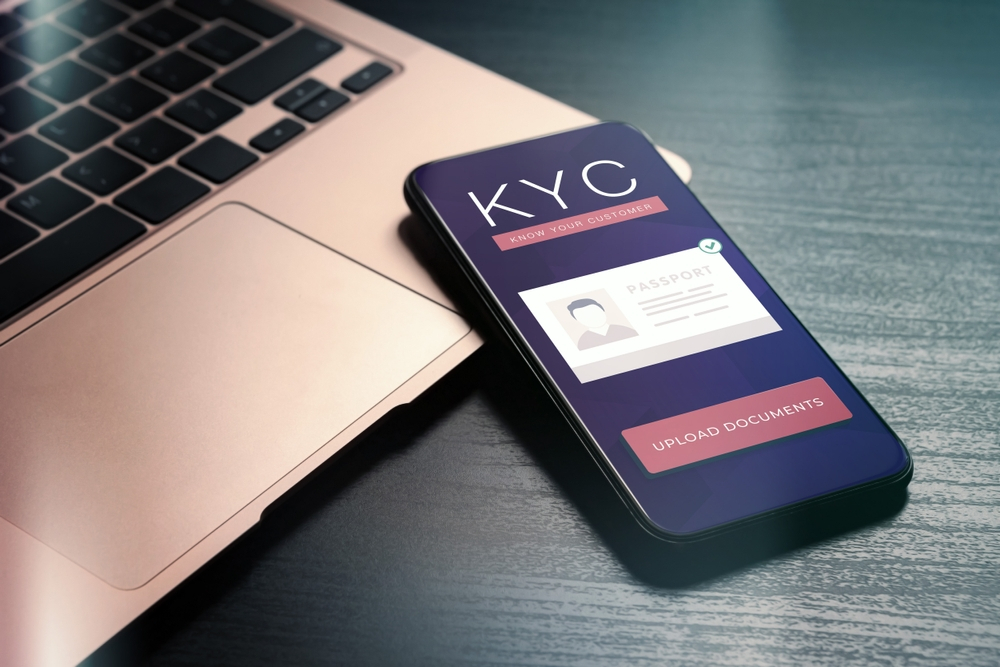
KYC frauds- dos & don’ts The RBI has cautioned the public against ongoing frauds perpetuated under the guise of know your customer (KYC) updating. The central bank said that anyone who has fallen victim to frauds should immediately complain through the cybercrime helpline (1930) or on the national cybercrime reporting portal (www.cybercrime.gov.in) RBI has also issued a list of do’s and don’ts. This is the second time the central bank has issued such a warning. in 2021 RBI issued a note following a surge in online KYC frauds during the covid lockdown, where customers were duped into revealing their banking credentials for KYC purposes to the fraudsters by responding to their baits. During the pandemic fraudsters saw an opportunity after many banks issued notices warning customers that they may not get to use their account after the deadline of December 21. RBI subsequently eased the deadline as well as the KYC process. In KYC frauds scammers often use unsolicited communication like calls, text or emails to trick customers into sharing personal details, account/login information, card details, PIN or OTP RBI said. Fraudsters also ask customers to install unauthorized /unverified apps for KYC updates using a link in the message. These messages might threaten to freeze, block or close the account. if the customer shares information through these methods, fraudsters can access the customer’s account and carry out fraudulent activities. “Such communication often employ tactics of creating a false urgency and threatening account freezing/blocking/closure if the customer fails to comply.” RBI said.
How to prevent bank frauds
How to prevent bank frauds Many people receive phone call, mail or SMS saying that their bank account needs some urgent KYC verification and in the absence of verification the account will be blocked. This is nothing but a banking fraud. Frauds and scams in India have been prevalent for years now. Despite numerous efforts from the government and regulating authorities the number of banking frauds haven’t been reduced yet now with the advent of AI and Deep fake a new dimension is being added in such activities These days scammers are making the most of the web especially the dark web, malware, fake profiles etc. to illegally hack into a person’s bank account and swindle their hard-earned money in seconds. This writes up highlights various types of frauds being practised by unscrupulous elements in banks in India. Ways are also suggested as to how you can prevent them from happening Some of the common baking frauds happening in India are listed below. Automatic withdrawal scams. are amongst the most common Bank frauds in India. Phising scams Charity scams Over payment scams Check encasing scams. Government proxy scams. Now we will discuss in details of the common banking frauds including the internet banking frauds as well. Automatic withdrawal scams: In such a scam you might receive either a call, SMS or mail etc. that you have won a prize or an exciting offer. Next the scammer will demand the bank details and ask for the numbers mention below your cheque. The moment the scammer gets the banking details they put it in a demand draft and file with the bank. Once the bank receives the same, it will transfer the amount from your account to the scammers account. Phishing Scams: These are mostly done via mediums such as SMS and email directed to a link. Through such fraud, scammers send clickbait messages that resemble official bank messages. Such links may ask you to fill in personal information including your mobile number, account number and OTP etc. After gathering your personal information, the scammer will hack into your account and steal your money in no time. Charity scams: These are emotional ways to influence innocent people to donate their money. Through such scam fraudster takes the benefit of people’s sympathy by impersonating as charitable organizations. People often fall for such scams as they directly trigger emotions. Misled people end up donating to such fake charities and lose their money to scammers Over payments scams: Such scams are often targeted towards sellers operating their business online. Scammers often pose as buyers and send off a cheque (fake) as their payment for a price that is higher than it should be. Next, they will demand a refund of the difference through online mode. But since the original payment was fake, now while repaying the seller ends up losing the refund money and the price of the product sold. Cheque enchasing scam: This is another emotion triggering scam that crooks often undertake. There is an example to shed light on this. One Mr. sunil was coming out of the bank and was suddenly approached by a person asking if he if he could help him cash a cheque as he doesn’t have an account in the bank Sunil decides to help him as he can deposit the check and withdraw cash from the bank. Post the clearing process the check didn’t clear and the funds are held against Sunil’s account. This is one of the most common Bank fraud cases in India that has trapped many victims Government imposter scam: Frauds in banking sector by impersonating a government official has been quite common. Herein a scammer calls up claiming you have won a lottery that requires some fee or tax payment to process the prize money further. On denial the scammer threatens to file a complaint for non-payment of tax/ fees. People often fall for such fake claims and end the paying the sum. This fraud has happened to numerous people across the country due to less awareness. How to prevent banking frauds in India: Preventing banking frauds is crucial. Not only does it lead to loss of money but a sense of distrust in banking operations too. Here is how to spot and report bank frauds in India. Don’t share your personal information such as your account no, passwords, credit card no’s or any other OTP with anyone. Always file a complaint of the fraud with in the stipulated time if you fall prey to any fraud. Never cash a cheque for a unknown person. Be attentive, read an examine the received messages, email, chats properly before clicking on any link or calling any unknown number claiming you have won a prize. You should always verify unsolicited cheques with your bank before enchasing. Never pay any sum to redeem prizes for any lottery or prize. Do not engage over the phone, never engage scammers on the call even if they identify themselves as government officials. Be cautious on the internet, before clicking on any Wapp, email and SMS links and examine the URL, brand name, spelling etc. as the same may be malware. Be careful over the call, you should never share sensitive details over the phone unless you trust the person. Also check your surrounding before you share any information. Banking frauds have been persisting in India for many years despite several educational initiatives from the government and many banks people often fall prey to bank frauds through offline and internet banking. Here we have covered the common banks scams that happen in India but there are many more that may happen so one should be careful about what has been stated above. We would recommend you to stay attentive, never share your bank account, OTP, card no, CVV or personal details with the third party. Always interact through the official site of the bank and always read before acting.

Difference between Life Insurance and Health Insurance
Difference between Life Insurance and Health Insurance Life and health insurance are two different products but both are designed to provide financial protection to the insured in the event of the unforeseen event of untimely death or illness. Life Insurance is often used as a tool to provide insurance coverage through products catering to various needs of the people at different stages of life. In case of maturity of the policy, the policyholder himself gets the benefit of the policies and utilizes the money to fulfil his financial requirements. In case of untimely demise of the life assured, the family gets the proceeds of the policy for taking care of the finances of the family for fulfilling those needs, for which the policy was taken As we all know, treatment in hospitals is becoming very costly and in the absence of health insurance, it becomes difficult for the family to provide the best treatment to the family member who has fallen sick and requires treatment. So in order to take care of this contingency health insurance becomes a necessity for each and every individual. Many organisations buy Group health insurance coverage for their employees. Some individuals also buy it themselves, but as it is the penetration of health insurance in India is very low Life Insurance and health insurance fulfil two different needs of the person and family separately. Health insurance covers the cost associated with treatment of policyholder in case of a health emergency while life insurance covers the risk of life and in the event of demise of policy holder provides financial support to the family. There are some life insurance policies which fulfil the needs of wealth creation ,pension and critical illnesses also. Following are the differences between life and health insurance based on various parameters. Following benefits are available in life insurance Sum Assured is paid to the nominee in case of untimely demise of the earning insured member of the family during the currency of the policy and also as per the terms and conditions of the policy. In case of death by accident, accident benefit is also payable to the nominee In case of permanent disability of the life assured due to accident benefits of permanent disability is also available Maturity benefits, Surrender benefit, guaranteed additions, critical illness riders, loyalty additions etc. are subject to choose of policy holder There are tax benefits under section 80C and 10 (10d) under the income tax act Life Insurance can be taken by individual or groups There are different types of plans designed to fulfil the needs of customers such as term plans, saving plan, plans for children’s education or marriage, wealth creation or retirement plans. Life Insurance is taken for financial security and safeguards one’s family in case of unforeseen event of passing away of policy holder. Life Insurance helps in the maintenance the desired standard of life after the person is not there if adequate insurance is taken In health insurance following benefits at are available It covers treatment cost for illnesses or medical conditions limited to a maximum coverage amount and other policy conditions No claim bonus can be added to some policies, few policies offer free health check-ups as well. Income tax benefit is available under section 80D of income tax act. It can be taken by an individual, a family or a group. Comprehensive Health Insurance plans, critical illness coverage etc. are available in health insurance policies. It covers hospitalization and treatment costs both. life and health insurance are two of the most important financial products one must buy to fulfil his needs whether one is trying to save for retirement, trying to secure his family, trying to arrange for the education of children and their marriage or pay off debt or take care of existing mortgage, life and health insurance can help.

Reasons for Life Insurance claim rejections
Reasons for Life Insurance claim rejections Life insurance is one such essential part of one’s life where it fulfils various needs of a person who is eligible to take it. Getting a life insurance policy for yourself and your loved ones is the best investment as it secures you from unforeseen and unfortunate incidents and expenses that may follow. Insurance claims are often settled but at times they may be rejected too. Be it on the grounds of false information, misleading data, or any other objection, an insurance company can reject Life Insurance claim as per the norms laid down in the policy issued to you. An insured should be cautious enough to submit mistake free proposal form with all relevant information correctly mentioned and the claimant must ensure that all relevant information is provided at the time of lodging the claim. For your assistance here we have highlighted various Life Insurance claim rejection reasons that one must be aware of to avoid errors. Concealment of material information or non-disclosure of details: It may so happen that unknowingly the customers may not disclose some information related to their health or habits which they feel is not relevant. People often provide false information including their age profession income etc. but this should not be done as these are relevant for determining your policies’ premium and coverage hence you should provide correct information and even cross verify the details filled by the insurance intermediary to avoid any concerns in future. On spotting that if any material information was withheld then as per the terms and conditions of the policy that was taken the life insurance claim rejected. One should always make sure that while filling the proposal form all relevant information should be declared prudently. Default in payment of premium Not paying the premium in time results in lapsation of the policy and cessation of life insurance coverage and as per the terms and conditions of the policy the claims will be rejected which is very disheartening for the claimants. Insurance companies often notify through messages, alerts, emails etc. for reminding about the premium payment hence one should certainly make sure to adhere to the datelines for making payments of premium on time so that the Life Insurance coverage does not stop at any point of time. Nominee details not updated At the time of issue of policy, the details of nominees are filled up but whenever the change of nominee occurs it is not updated in the policy which at the time of claim results into the policy claim amount money being transferred to the heirs as per the prevailing rules and it becomes very cumbersome for the claimant to prove his relationship with the policy holder this can be a painful process. This is why it is important for the policyholder to update nominee details timely. Not complying to the conditions of medical test under the policy by the proposed At times understatement of age, concealment of treatment record, health conditions or non-disclosures of other policies taken from other insurers results in improper underwriting and avoidance of medical tests by the proposer. This when comes to light at the time of claim results in rejection of claim by the company. Delay in filing Claims Most people file insurance claims within time but in some instances, there might be delay in lodgement of the claim from your and may lead to a delayed payment from the insurer hence to avoid this one should file claims in time with all relevant details that are available there. All such measured can ensure seamless claim settlement without causing any hardships to the Claimant